01
Politics
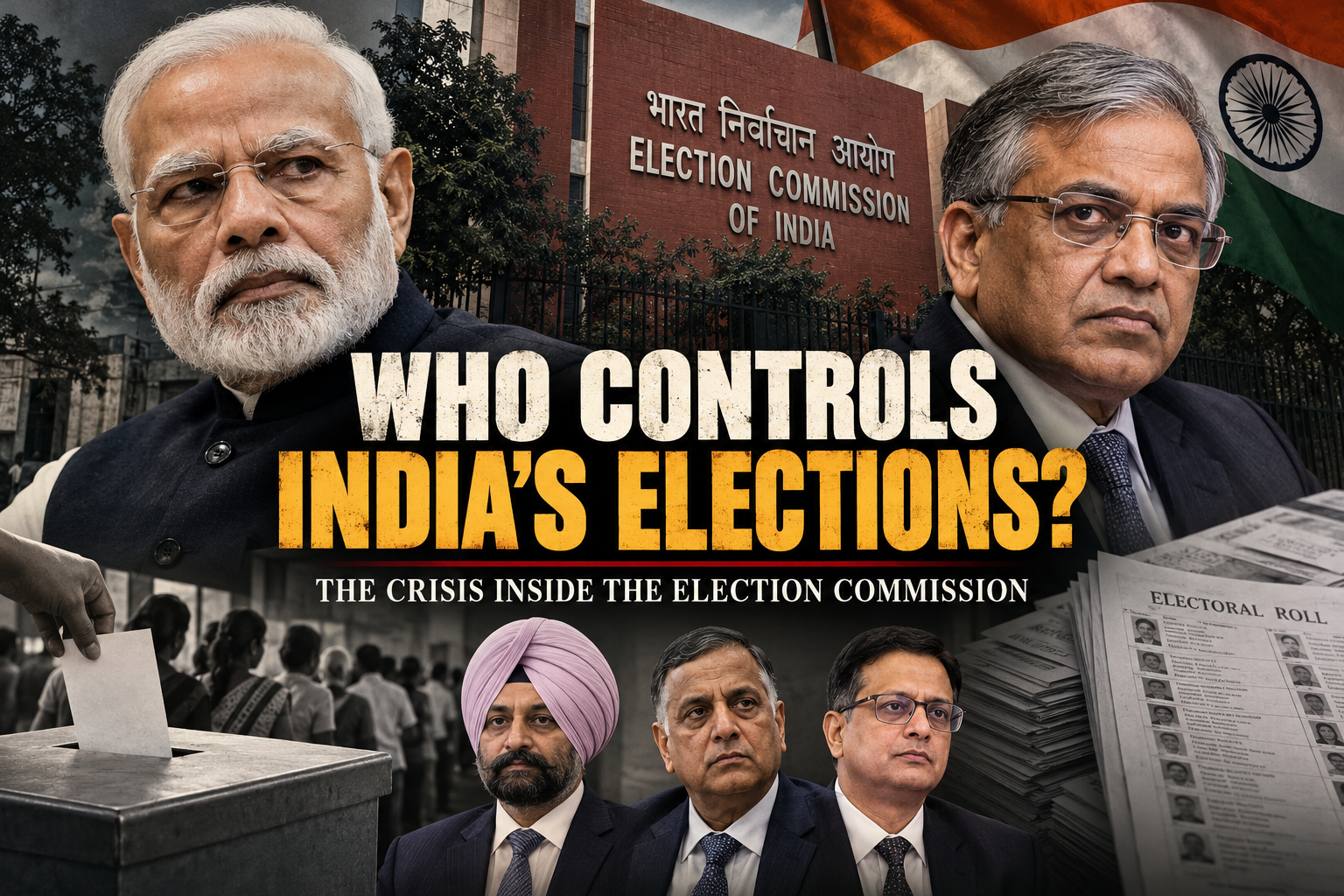
From Ashok Lavasa's dissent and the controversial appointment of election commissioners to voter-roll deletions, secretive decisions and the reported revolt within the Election Commission, the story of how India's electoral watchdog has been losing public trust.
Oct 15, 202618 min read
02
National
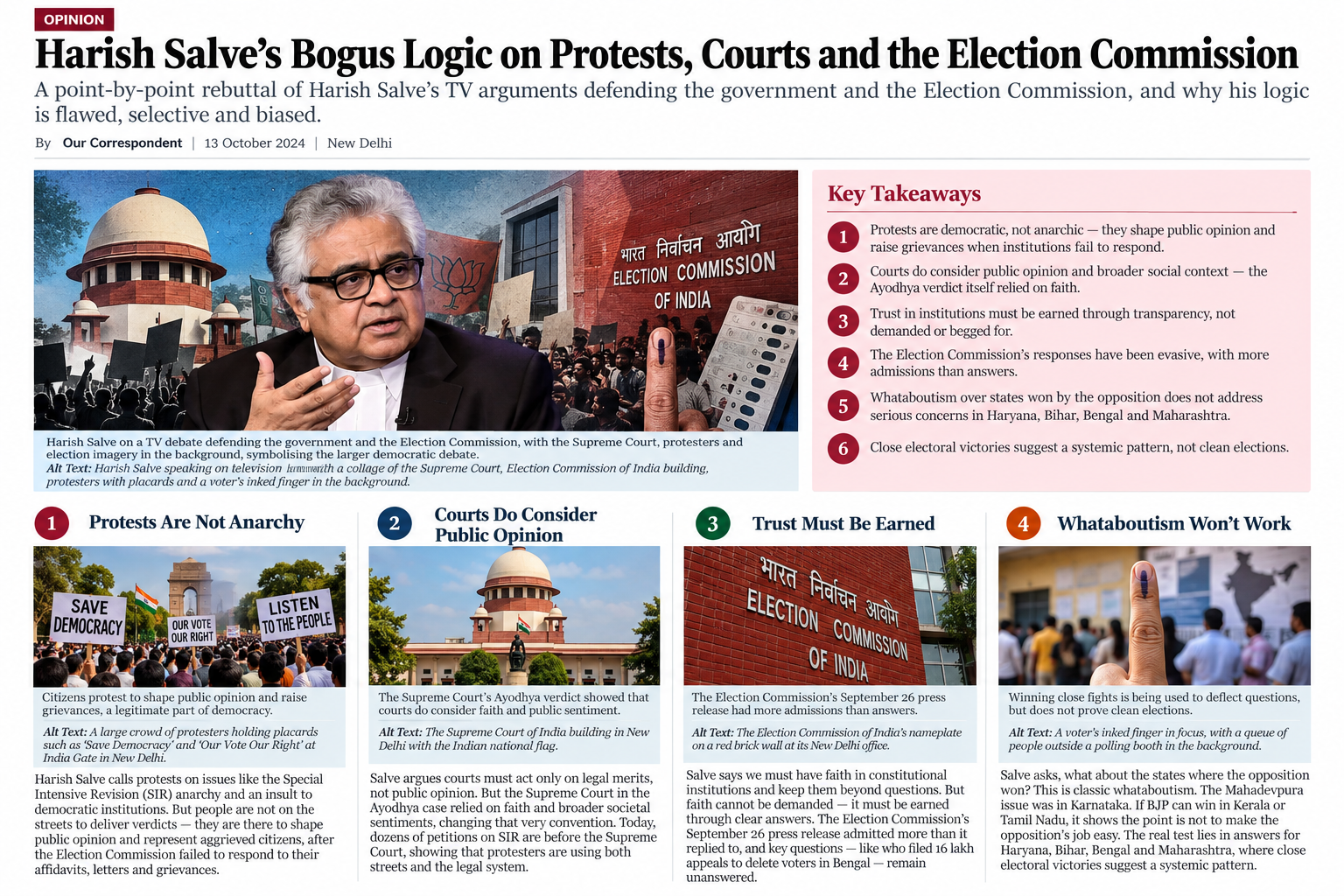
Harish Salve's defence of the Election Commission, the constitutional legitimacy of public protest, and the difference between institutional independence and institutional immunity.
The central argument of this article is that a democracy does not have to choose between constitutional institutions and public dissent. It needs both. The legal merits of an electoral dispute belong before the courts, but citizens retain the right to organise, question institutions, expose inconsistencies and demand accountability.
There is an important evidentiary distinction concerning Mr Salve. His televised remarks and the structure of his arguments can be scrutinised directly. A pattern of selective reasoning can support criticism of his apparent political alignment in this controversy. It does not, by itself, establish a financial inducement, secret arrangement or dishonest personal motive.
Oct 11, 202621 min read
03
National
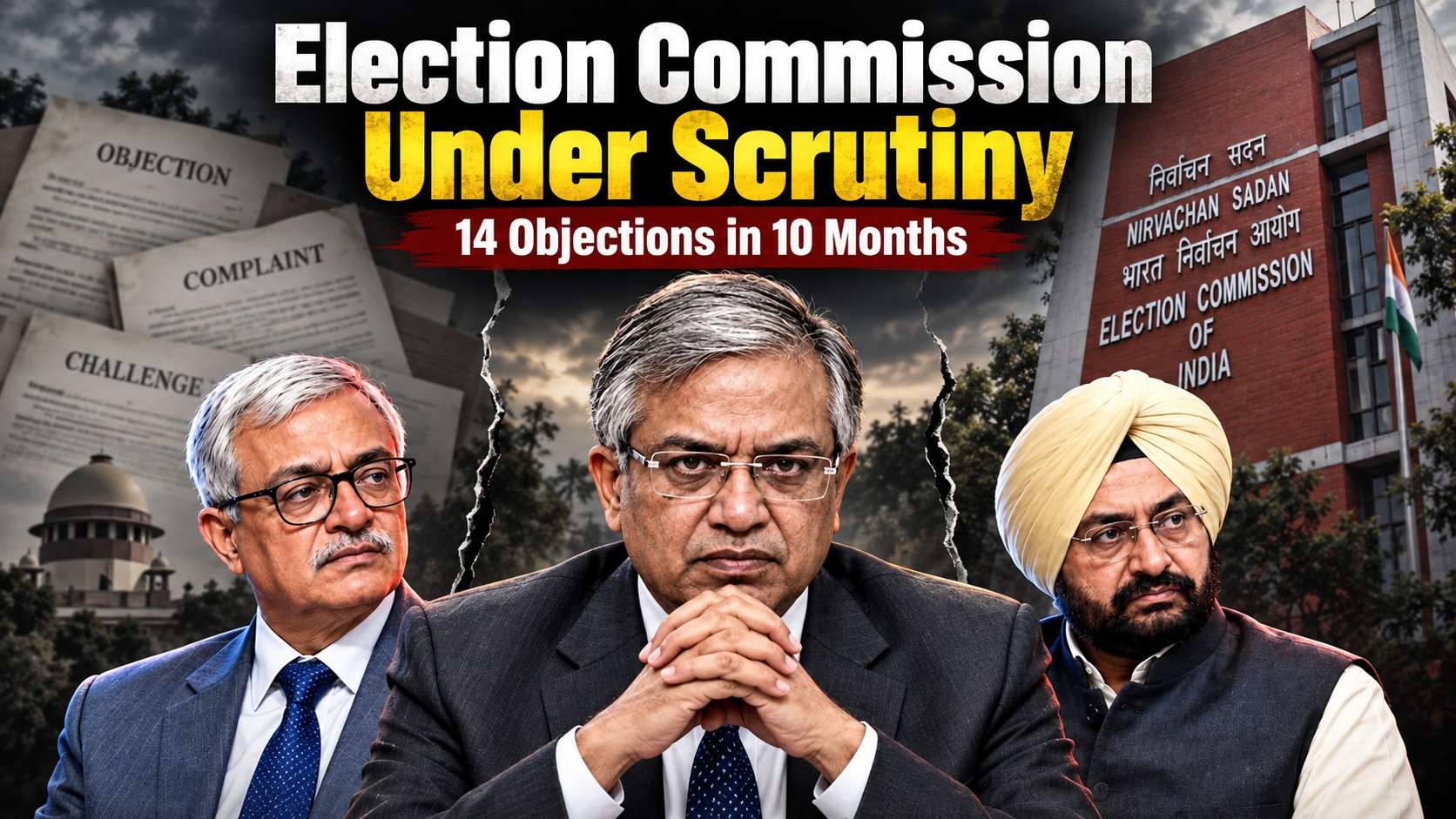
Two of the Election Commission’s three members reportedly raised 14 objections in ten months over voter registration, deletions, Form 6, electoral-roll software and decisions taken without their knowledge. The Election Commission says all final decisions were unanimous. The key question is what happened between the internal objection and final approval.
Sep 23, 202617 min read
04
Forgotten Heroes
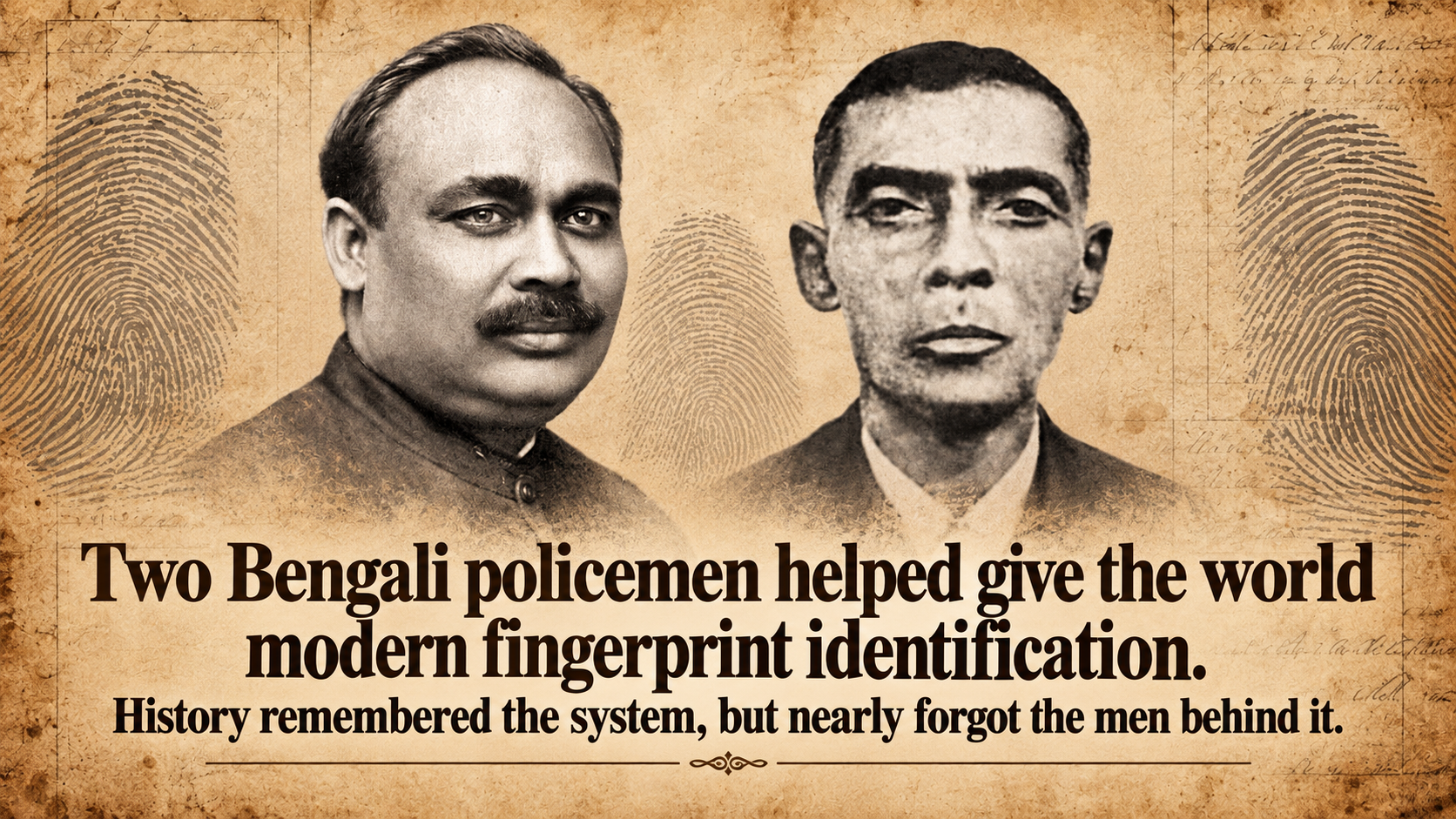
Qazi Azizul Haque and Hem Chandra Bose helped create the fingerprint classification system that transformed criminal identification worldwide. Yet the system carried the name of their British superior. Haque had to petition the colonial government for recognition, while Bose was critically ill and in financial distress when his ₹5,000 honorarium was still being processed. They built a system to ensure identities could never be lost. History nearly lost theirs.
Sep 21, 202615 min read
05

Uncategorized
Anindya World View transforms publicly available global data into an interactive three-dimensional experience. Explore aircraft, ships, weather, earthquakes, active fires, space missions, radio, mapped locations and other live context from one globe, with Arka integrated as an AI-assisted voice interface.
Sep 21, 202616 min read
06
National
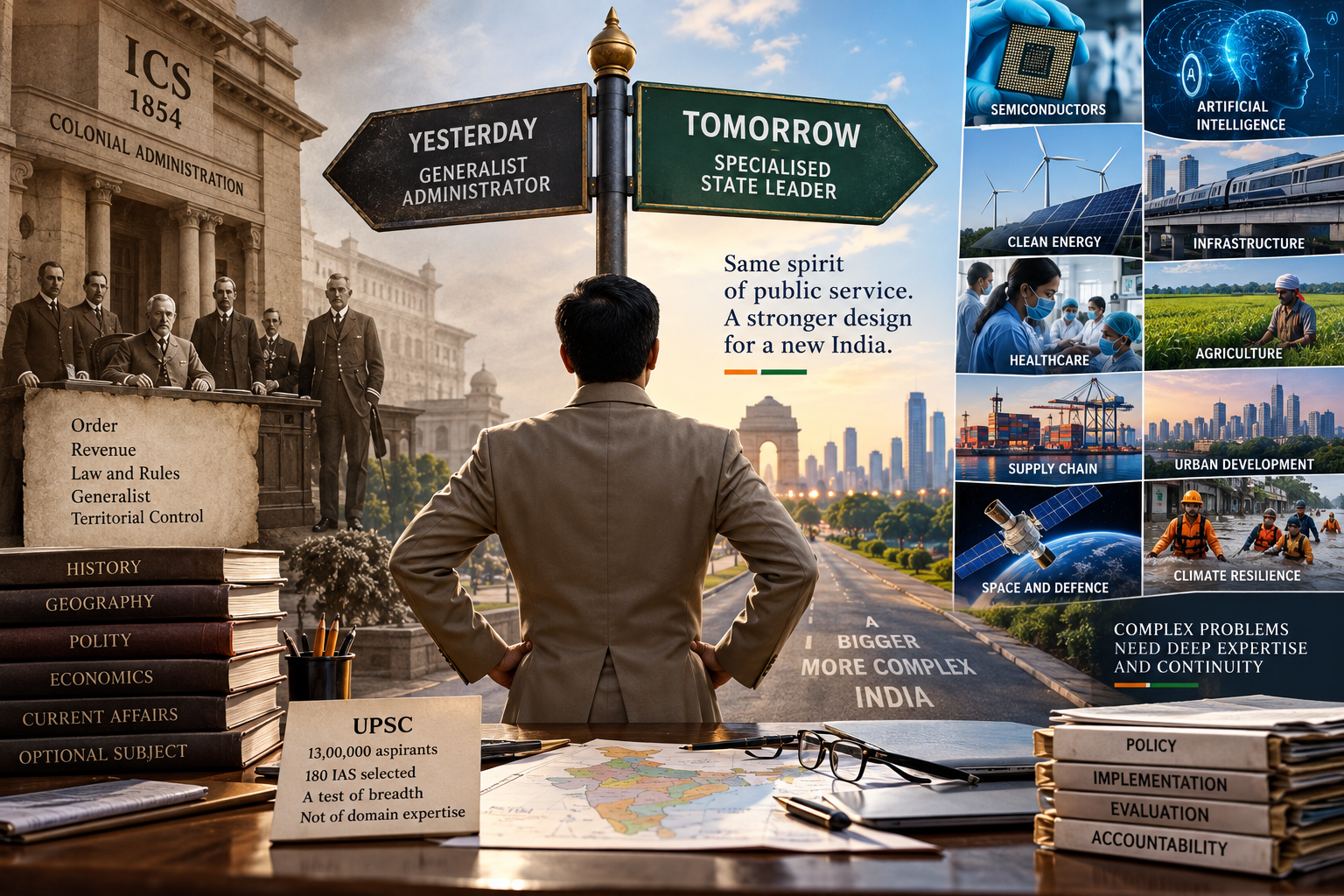
India's IAS was built around the idea of the brilliant generalist administrator. But governing a technologically complex modern economy increasingly demands deep expertise, institutional memory and continuity. The question is not whether India needs the IAS, but what the IAS must become.
Sep 21, 202613 min read
07
Analysis
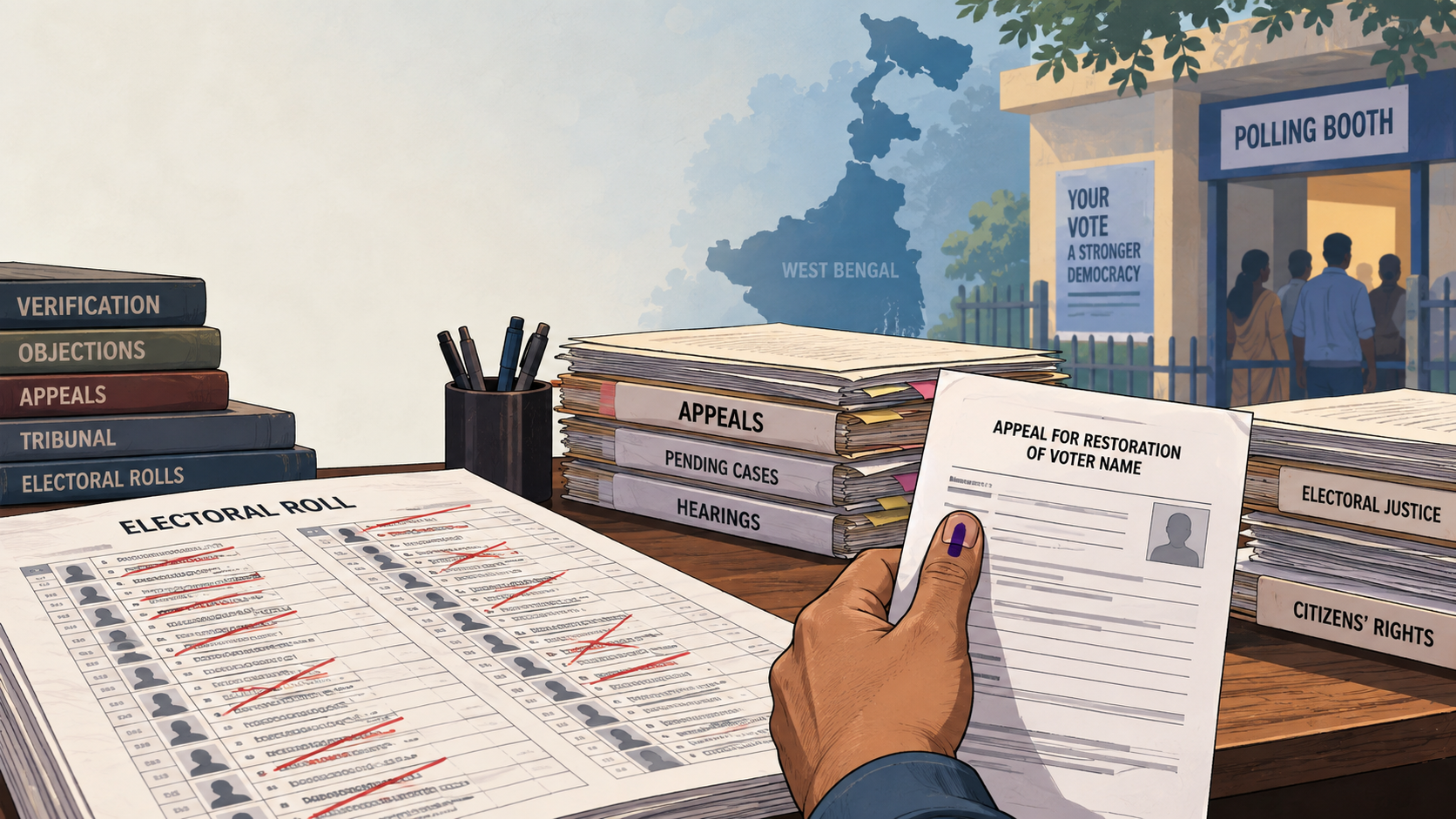
The Election Commission has told the Supreme Court that 22.21 lakh of the 27.16 lakh West Bengal electors deleted through SIR adjudication have appealed for restoration. The figure does not prove that the deletions were wrongful, but the huge backlog and the timing of the appellate process raise an important question about electoral due process: what happens when a voter's eligibility is restored only after the election is over?
Sep 20, 20269 min read
08
Business
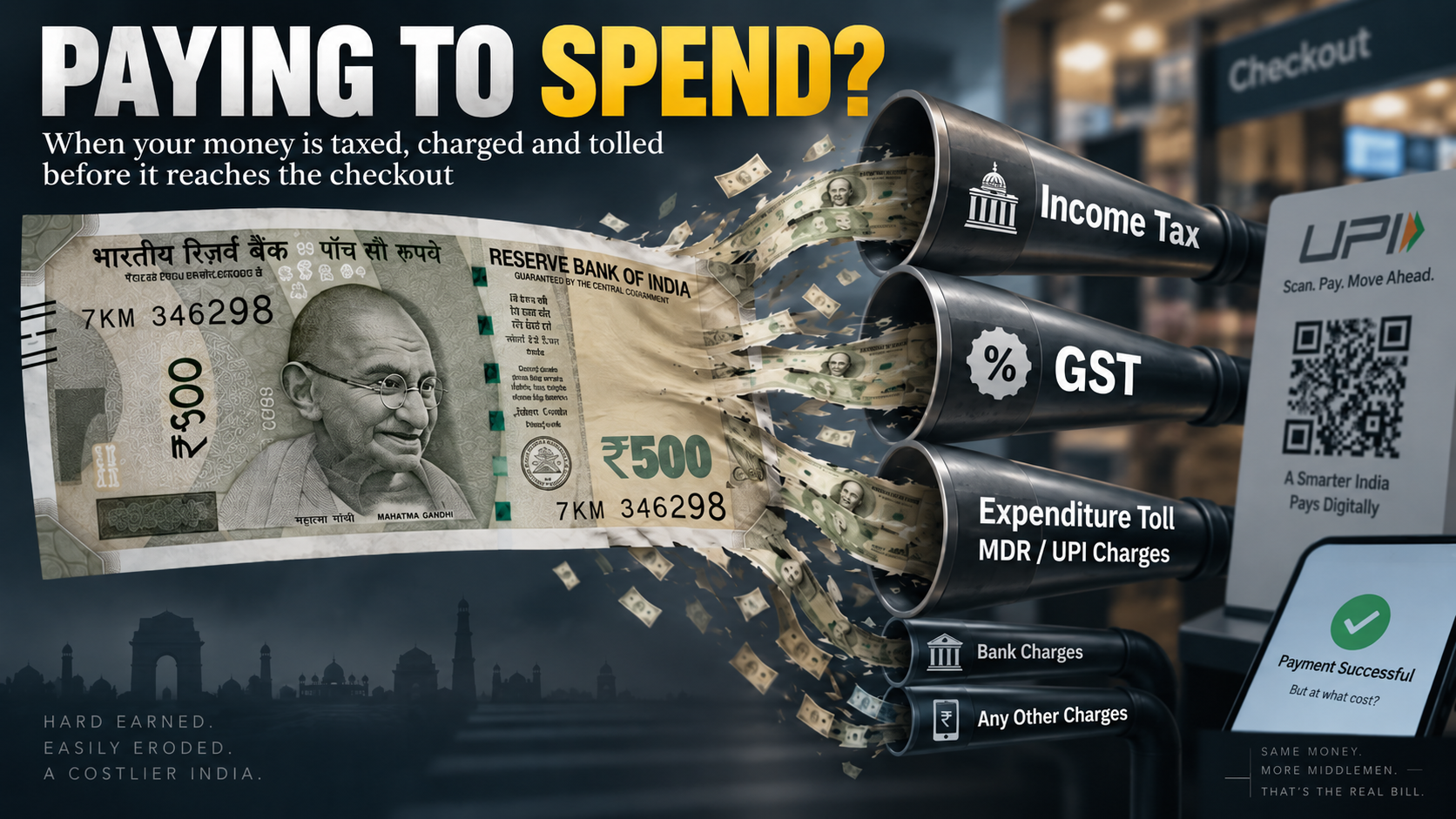
UPI became successful because it made digital payments simple, instant and effectively free for ordinary users and merchants. The proposed MDR on higher-value merchant transactions changes that equation. This article examines why comparing UPI with credit cards is misleading, how merchant charges can eventually reach consumers, why cash transactions may rise again, and whether introducing an "expenditure toll" makes sense when banks, RBI and NPCI remain highly profitable overall.
Sep 18, 202614 min read
09
Politics
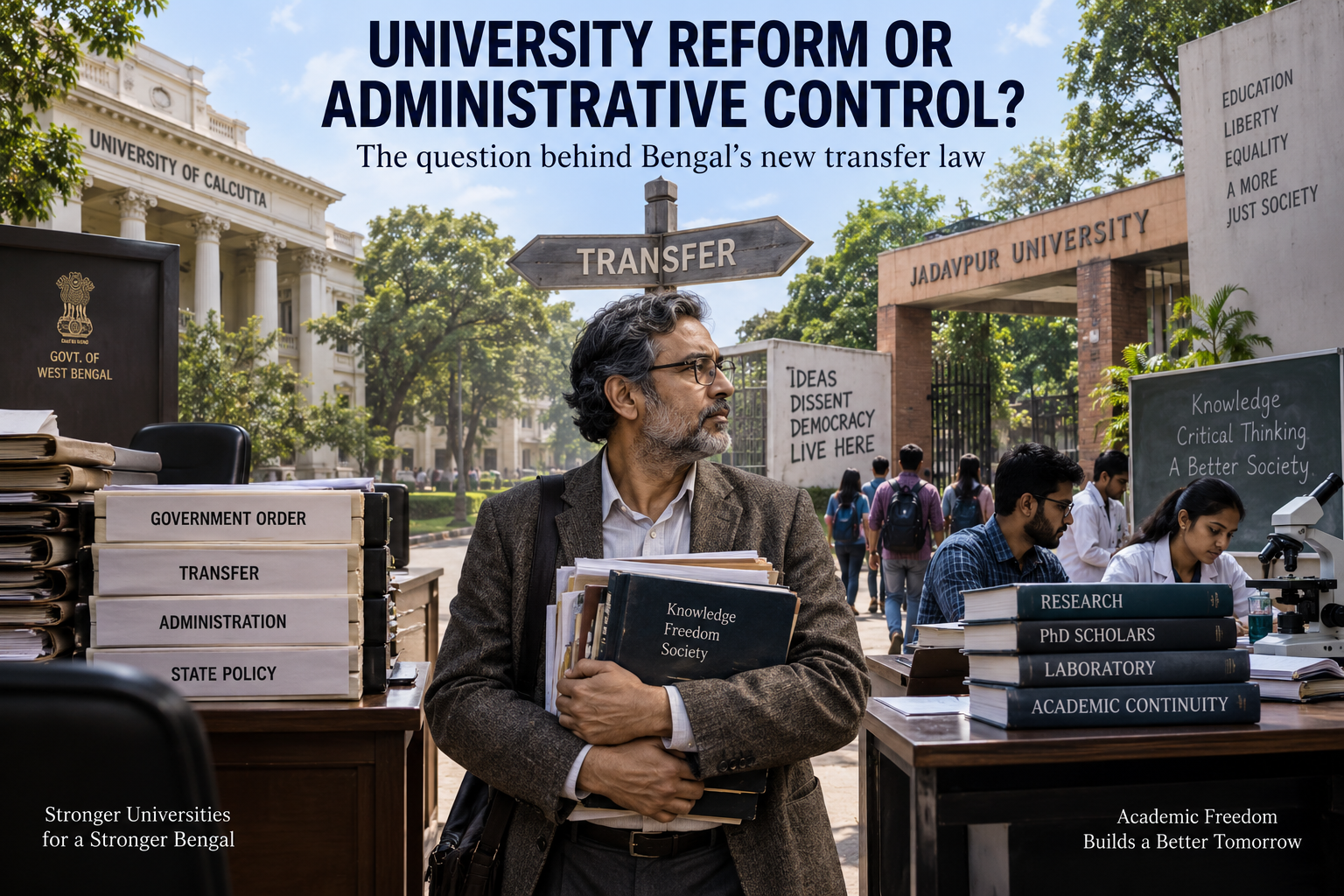
West Bengal says experienced professors should be transferable to newer universities that need them. That objective is defensible. But giving the government power over where university academics work raises a larger question: can administrative efficiency be pursued without turning academic careers into instruments of political control?
Sep 10, 20269 min read
10
Analysis
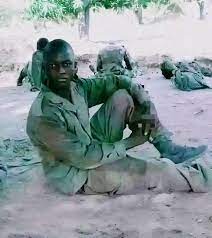
Traoré’s journey is a testament to courage and conviction. His leadership, rooted in humility and service, is a beacon for Burkina Faso and Africa. While risks remain—foreign plots, security threats, and political tensions—Traoré’s impact is undeniable. Burkina Faso is stronger, more independent, and more hopeful than it was two years ago. If his example inspires others, the future of African leadership could be transformative, paving the way for a continent where the people come first.
Jun 14, 202512 min read
12
Analysis
Swarajyam emerges as a response to the limitations and failures of existing political‑economic systems—capitalism, socialism, and communism. Although these traditional ideologies have shaped modern history, each has demonstrated significant shortcomings in addressing contemporary challenges. They correctly identify issues such as inequality, economic crises, and wealth concentration under capitalism, and suppression of freedoms and political instability under communism. Yet both fall short, suggesting the need for a balanced alternative
Sep 24, 202411 min read